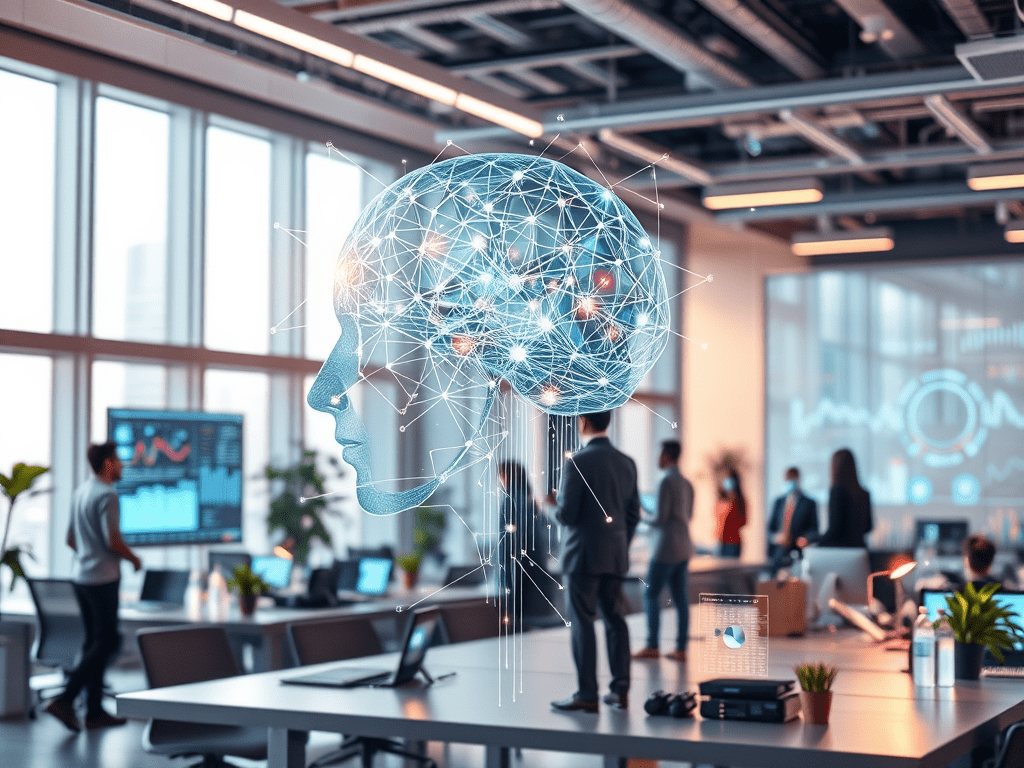
The AI Revolution in HR: How Artificial Intelligence Will Shape the Future Workforce
The future isn’t just coming; it’s already here, particularly in the realm of Artificial Intelligence. From self-driving cars to personalized shopping experiences, AI is rapidly integrating into every facet of our lives. For HR professionals, this isn’t a threat but a massive opportunity to redefine their role, elevate strategic impact, and create a more efficient, equitable, and engaging future workforce.
Let’s explore how the rising integration of AI will transform HR for the better.
Beyond Automation: AI as a Strategic Partner
Historically, HR has been bogged down by administrative tasks—sifting through resumes, scheduling interviews, managing paperwork. This is where AI truly shines, taking on the repetitive, time-consuming duties and freeing up HR professionals for what they do best: human connection and strategic thinking.
Here’s how AI is becoming HR’s ultimate strategic partner:
1. Revolutionizing Recruitment and Talent Acquisition
Imagine a hiring process that’s faster, fairer, and more effective. AI can analyze vast amounts of data to identify ideal candidates, reducing bias and improving the quality of hires.
- Intelligent Sourcing: AI-powered tools can scour job boards, social media, and professional networks to find candidates with the specific skills and experience needed, even those not actively looking.
- Resume Screening & Shortlisting: AI can quickly analyze resumes against job requirements, identifying top contenders in minutes, not hours, and focusing on skills rather than keywords, which can help mitigate unconscious bias.
- Chatbots & Candidate Experience: AI-driven chatbots can answer common applicant questions 24/7, schedule interviews, and provide updates, offering a seamless and responsive candidate experience.
2. Enhancing Employee Experience and Engagement
A happy, engaged workforce is a productive one. AI can provide personalized insights and support that make employees feel valued and understood.
- Personalized Learning & Development: AI can recommend tailored training programs and career paths based on an employee’s skills, performance, and aspirations, fostering continuous growth.
- Predictive Analytics for Retention: AI can analyze data points (e.g., performance reviews, tenure, feedback) to identify employees at risk of leaving, allowing HR to proactively intervene with support or new opportunities.
- Smart HR Assistants: AI-powered virtual assistants can answer employee queries about benefits, policies, and payroll instantly, reducing the workload on HR teams and providing employees with immediate information.
3. Data-Driven Decision Making & Workforce Planning
One of AI’s most profound impacts is its ability to turn raw data into actionable insights, enabling HR to make more informed, strategic decisions.
- Workforce Planning: AI can analyze market trends, internal data, and business goals to predict future talent needs, skill gaps, and succession planning requirements, ensuring the organization is always prepared.
- Performance Management: AI can help analyze performance data, identify trends, and provide objective feedback, making performance reviews more efficient and less prone to bias.
- Compensation & Benefits Optimization: AI can analyze market rates, internal equity, and employee preferences to design competitive and attractive compensation and benefits packages.
4. Fostering Diversity, Equity, and Inclusion (DEI)
While AI itself is a tool, when designed and implemented thoughtfully, it can be a powerful ally in building a more diverse and inclusive workplace.
- Bias Detection: AI algorithms can be trained to identify and flag biased language in job descriptions or performance reviews, prompting HR to revise them for more inclusive phrasing.
- Fair Hiring Algorithms: By focusing on objective skills and qualifications, AI can help reduce human bias in the initial stages of recruitment, leading to a more diverse talent pool.
- Inclusion Insights: AI can analyze employee sentiment data from surveys or internal communications (anonymously, of course) to pinpoint areas where inclusion can be improved.
The Future HR Professional: A Human-AI Hybrid
The integration of AI doesn’t mean the end of HR jobs; it signifies an evolution. The HR professional of the future will be a human-AI hybrid, leveraging technology to amplify their distinctly human skills: empathy, judgment, strategic thinking, and relationship building.
Key shifts for HR professionals:
- From Administrator to Strategist: Less time on paperwork, more time on workforce strategy, organizational development, and change management.
- From Data Collector to Data Interpreter: Less time gathering data, more time analyzing AI-generated insights to make informed decisions and tell compelling stories.
- From Policy Enforcer to Culture Builder: More capacity to focus on employee well-being, fostering a positive culture, and developing leadership.
Embracing the Change
The AI revolution in HR is not about replacing people; it’s about empowering them. By embracing AI, HR professionals can shed the administrative burden, unlock unprecedented insights, and truly become the strategic, empathetic leaders our future workforce needs. The time to adapt and integrate is now, paving the way for a more intelligent, human-centric, and thriving workplace.
Are you ready to embrace the future of HR?
 Off the Clock
Leave a comment